AB 356 and the January 2027 deadline
What the law actually says, who it covers, and what it means if you manage an HOA, apartment or commercial property in Henderson.
What the law actually says, who it covers, and what it means if you manage an HOA, apartment or commercial property in Henderson.
Nevada's Assembly Bill 356 is the most consequential landscaping legislation in the state's history, and a great deal of what gets said about it is wrong. Here is the accurate version.
From January 1, 2027, Colorado River water distributed by the Southern Nevada Water Authority or its member agencies may not be used to irrigate nonfunctional turf on property that is not zoned exclusively for single-family residential use.
The practical deadline for removal is the end of 2026, since irrigation has to stop when the calendar turns.
AB 356 does not cover existing single-family residences. Your front and back lawn are unaffected by the mandate. You can still convert voluntarily and claim the rebate — many people do — but nobody is going to make you.
This is the point most coverage gets wrong, and it causes unnecessary alarm.
Functional grass at schools and parks — genuine recreational surface — is treated differently and has clearer protection.
SNWA's working definition is grass nobody uses for sports, picnics or recreation. Narrow strips bordering parking lots and sidewalks. Grass between curb and sidewalk. Traffic circles and medians. Office park landscaping. Entryways to housing developments.
The test SNWA offers is memorable and useful: if the only person who walks on the grass is pushing a lawn mower, it is nonfunctional.
Worth knowing rather than glossing over. A lawsuit reported locally argued that turf removal changed how mature trees were being watered and contributed to tree die-off. In late January 2026 a judge temporarily limited certain enforcement steps tied to how turf gets labelled nonfunctional.
This does not repeal AB 356 and the 2027 date stands, but it adds uncertainty in specific disputes and it has raised the profile of tree protection during conversions. Agencies now emphasise that removal should be paired with proper irrigation redesign rather than a scrape-and-rock job.
Practical implication for a board: plan the conversion around your existing trees, and keep them on drip. Losing mature canopy is both an expensive mistake and a political one with residents.
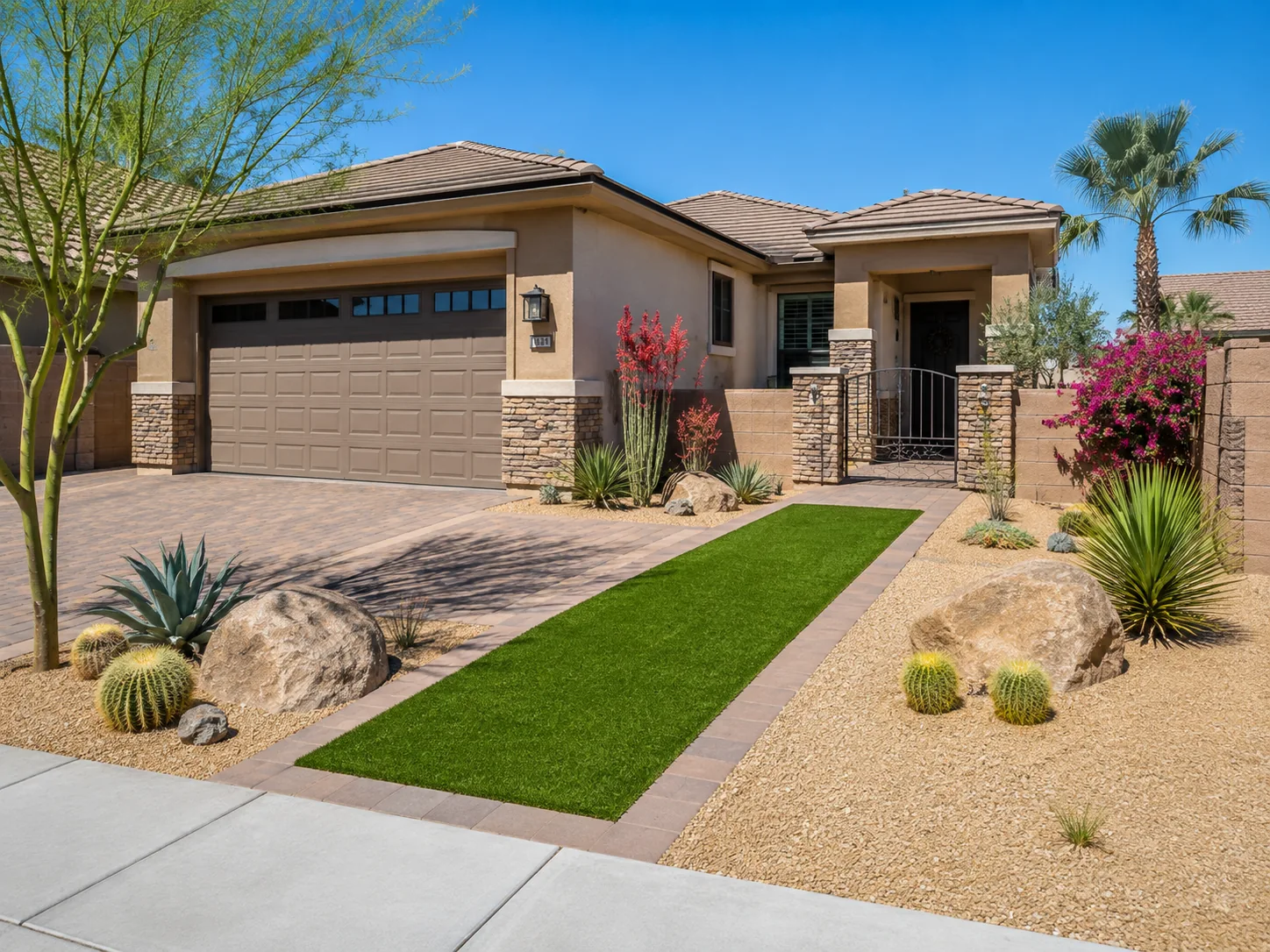
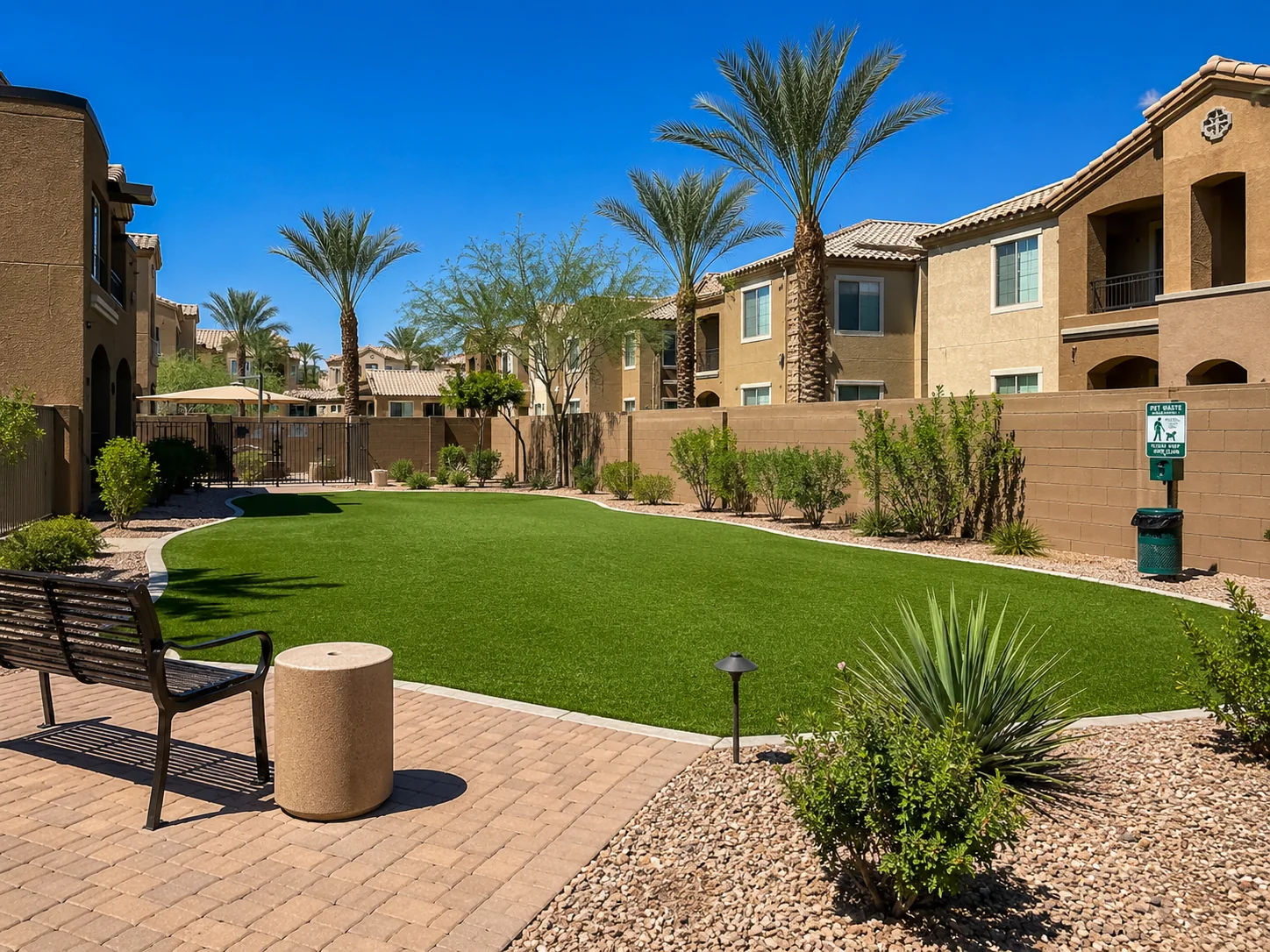
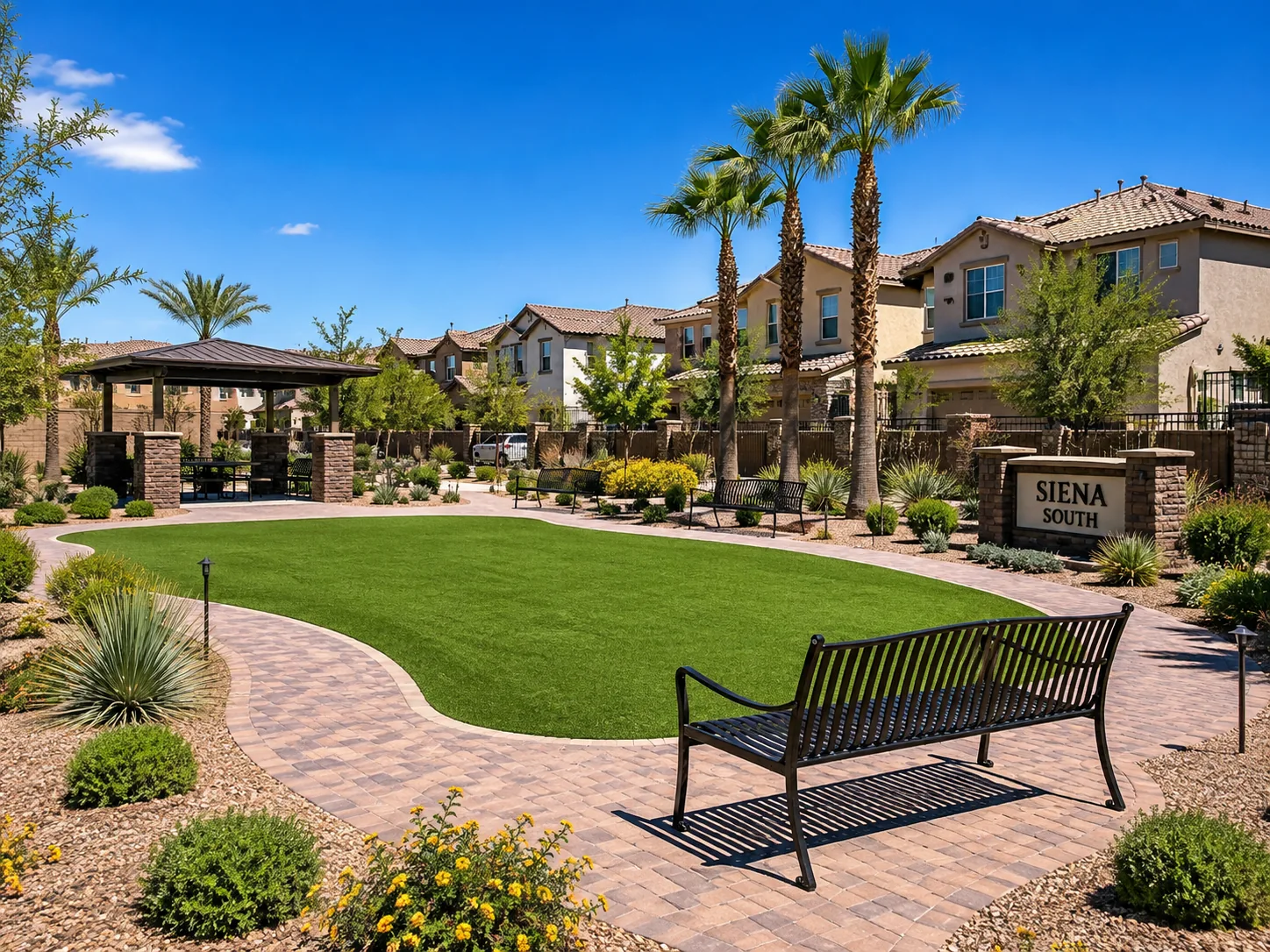
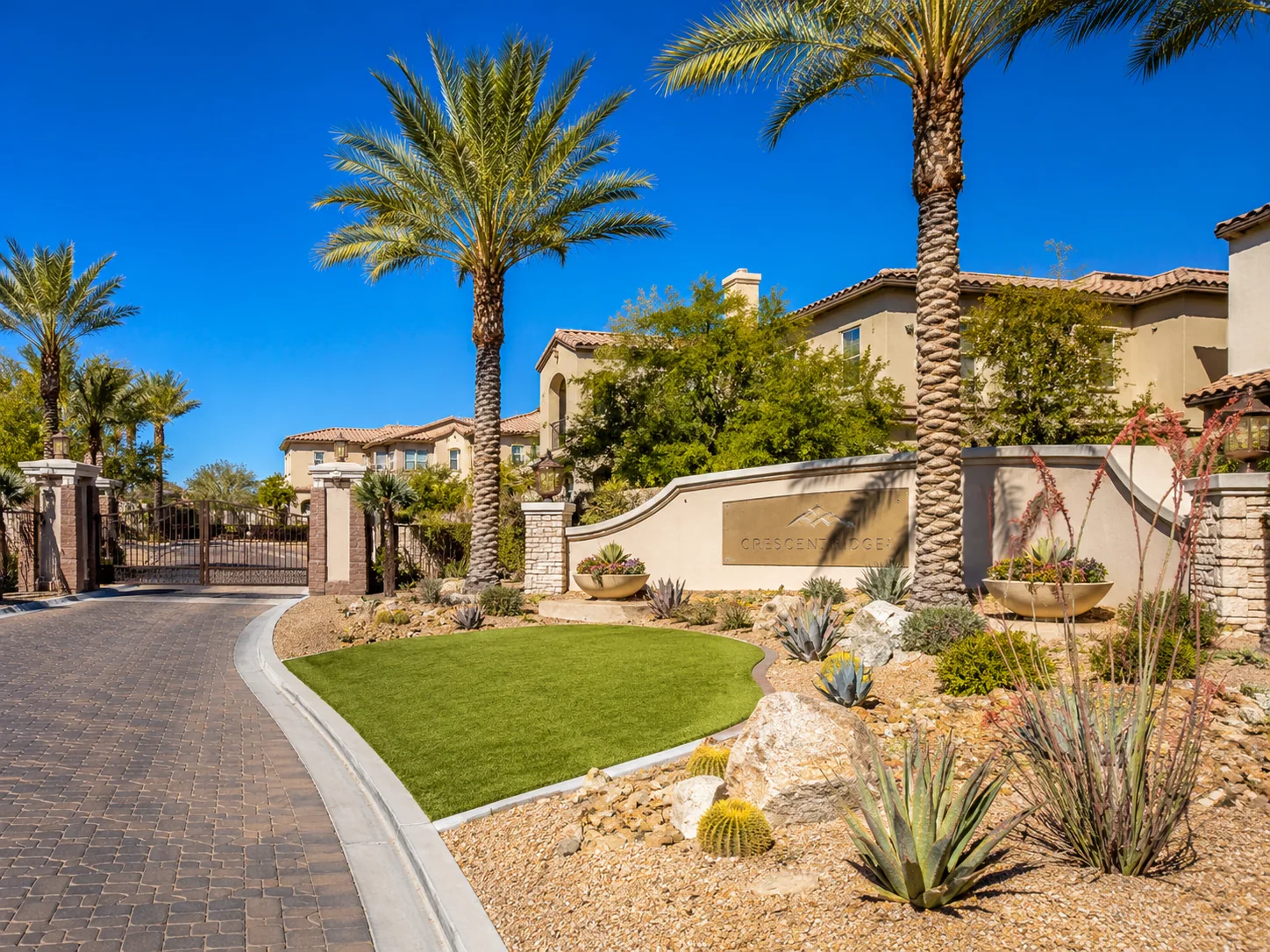
Replacing nonfunctional grass with permeable artificial turf, integrated into a desert-appropriate planting scheme, achieves compliance and preserves a green appearance in entry areas and common spaces where boards care about presentation.
It is not the only compliant option — full desert conversion with rock and plants also works, and costs less. Which makes sense depends on what the space is for. A community entry monument that residents judge the neighbourhood by is a different decision from a median nobody looks at.
Every HOA and commercial property in the SNWA service area faces the same deadline. Approvals already take weeks, rebate funding is finite, and contractor capacity is not elastic. Properties that move in 2026 will get better pricing, better scheduling and a better shot at rebate dollars than those that wait until the deadline is imminent.
We handle HOA and commercial conversions across Henderson, provide written specifications and documentation for board approval, and coordinate the work around the rebate process. More on HOA common area work here.
Call (702) 276-8573 and we will walk the property.
This page summarises publicly available information about AB 356 and SNWA programmes as we understand it. It is not legal advice, and the law and its enforcement continue to develop. Confirm requirements for your specific property with SNWA, your water agency or counsel.
Most estimates are scheduled within 48 hours.
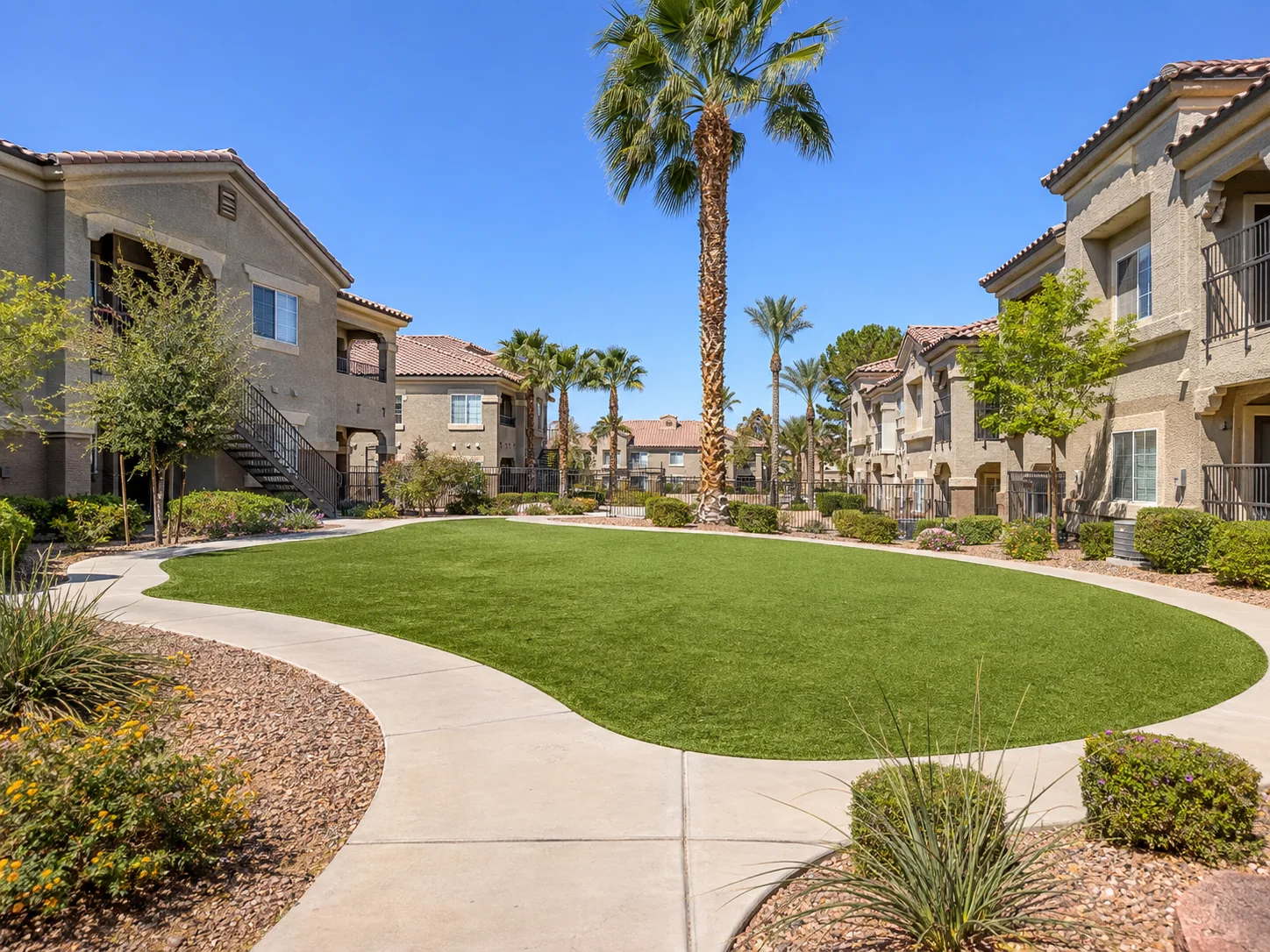
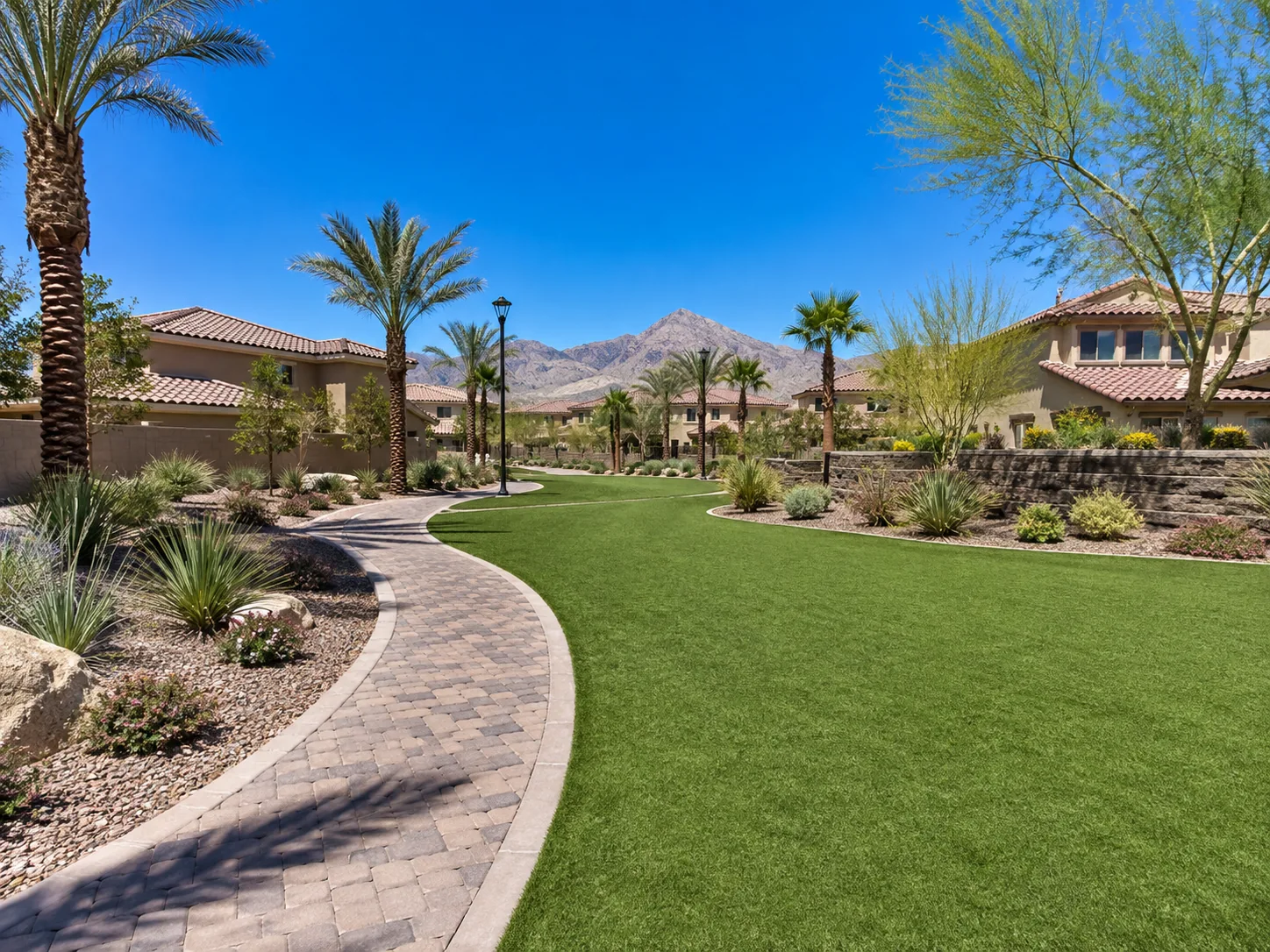
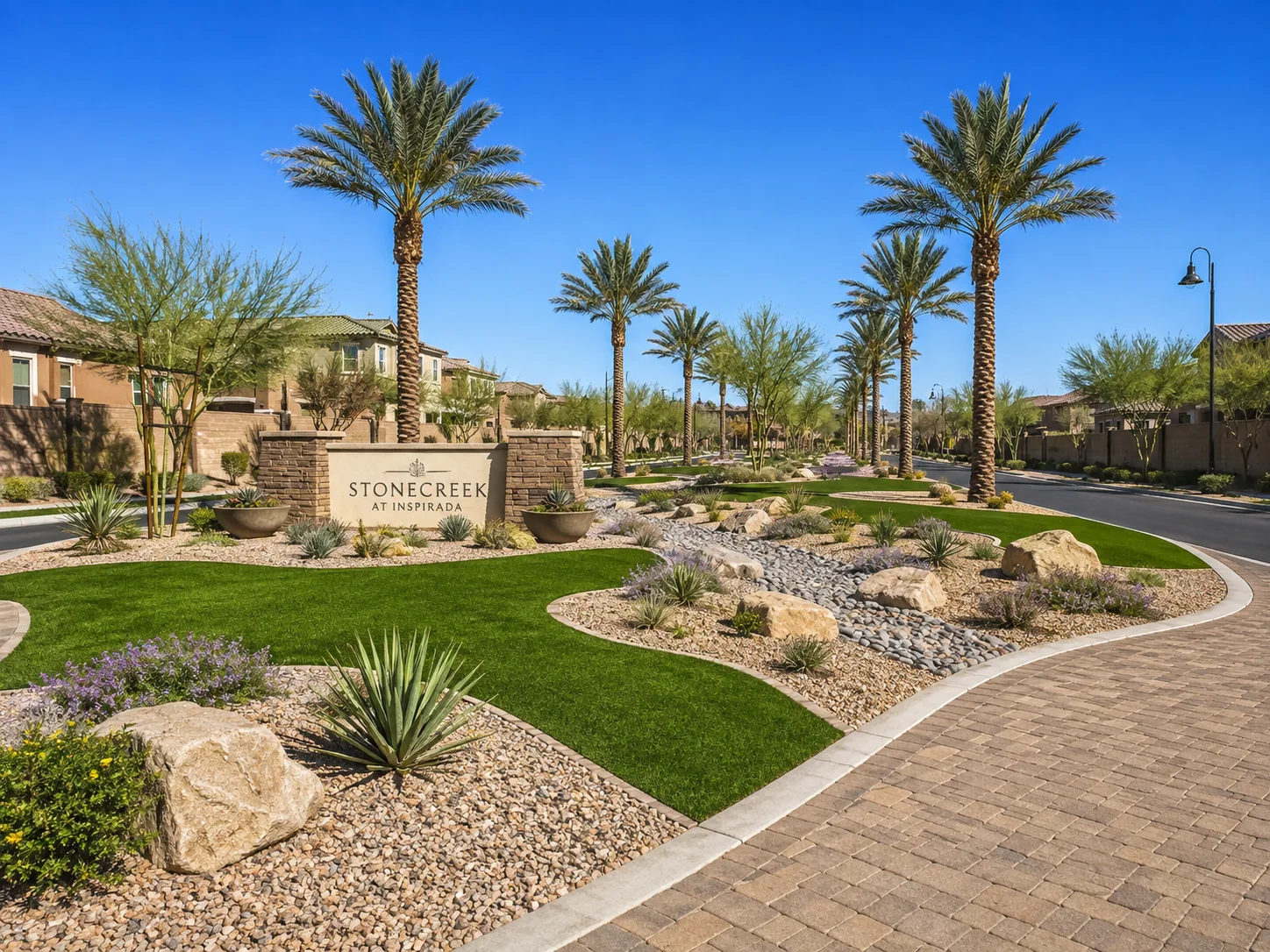
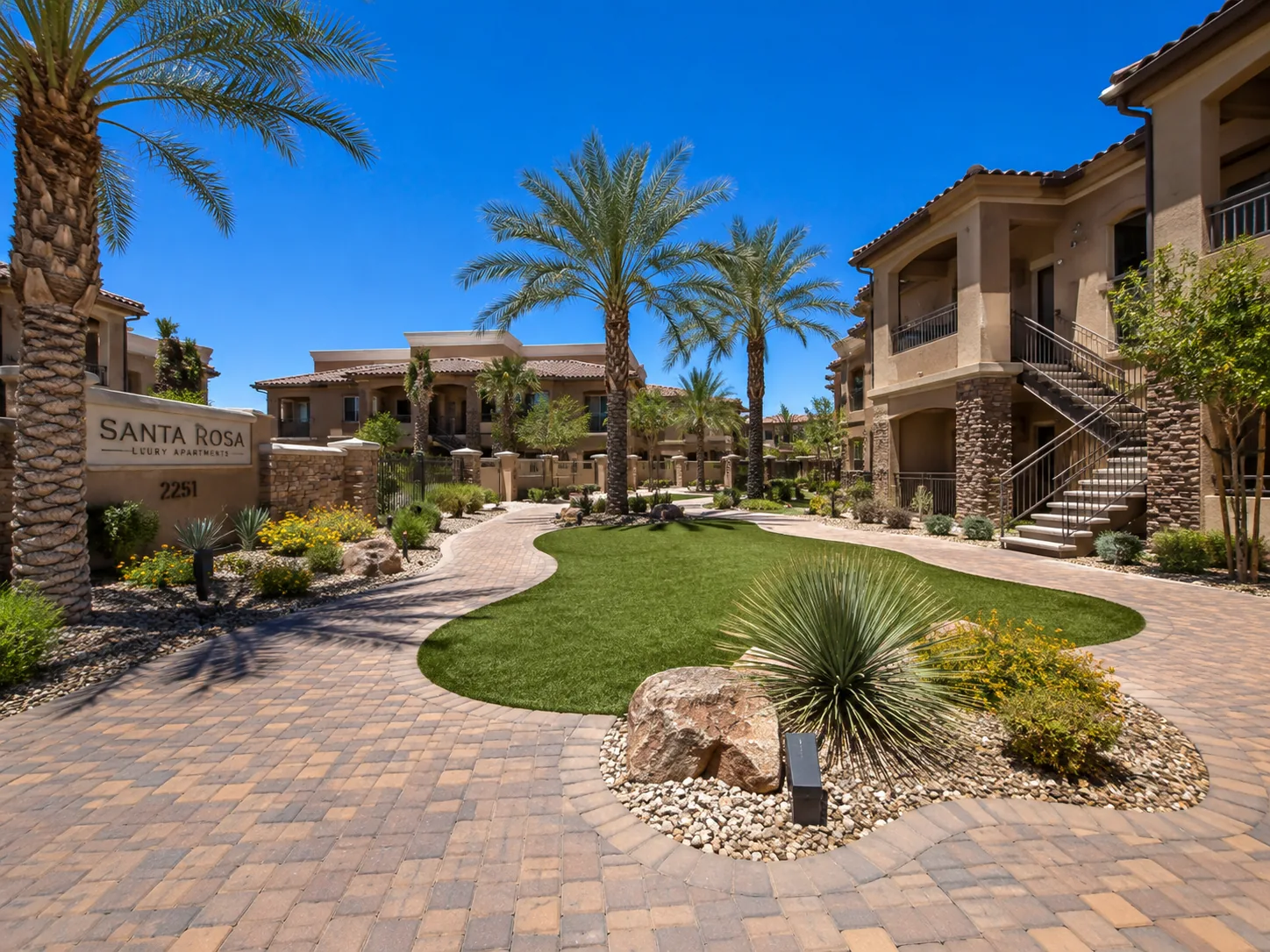
Images are representative of the work we do.
Tell us the space and we’ll give you a firm, written price. No pressure, no obligation.